

In the vibrant twin-island nation of Trinidad and Tobago, few treats evoke the spirit of celebration quite like sweet bread (often called coconut sweet bread). This dense, moist loaf—packed with freshly grated coconut, plump raisins, currants, candied cherries, mixed peel, and warm spices like cinnamon and nutmeg—is a cornerstone of holiday feasts, especially at Christmas and Easter. Imagine the aroma of fresh coconut and baking spices filling homes as families gather, sharing slices toasted with butter alongside a hot cup of cocoa tea or sorrel drink. It's more than just bread; it's a symbol of togetherness, nostalgia, and Caribbean ingenuity.

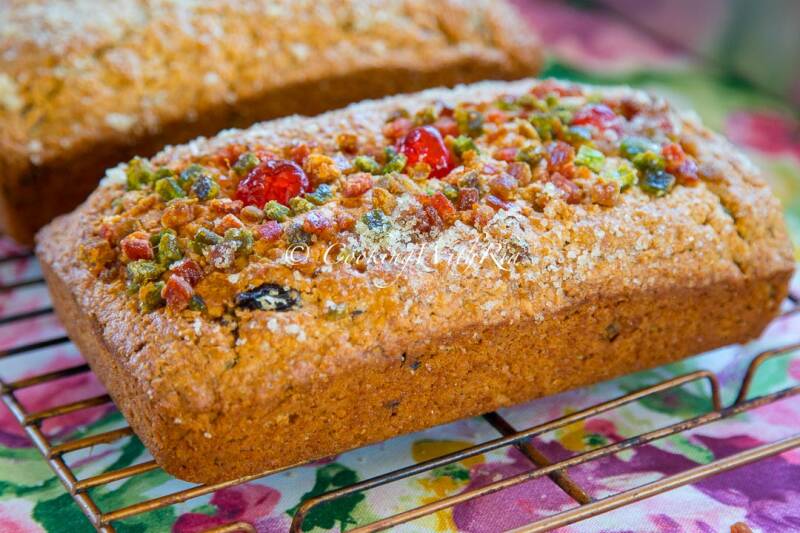

While European colonial influences—particularly from the British, French, and Spanish—brought wheat-based baking to the Caribbean, Trinidadians transformed these ideas with abundant local ingredients. Fresh coconut takes center stage, giving the bread its signature tropical richness and moist texture, while dried fruits soaked in essence (or sometimes a splash of rum) add bursts of sweetness. Unlike lighter European quick breads, Trini sweet bread is rustic and hearty: crunchy on the outside from a final sugar glaze, yet soft and flavorful within. It's commonly enjoyed during "paranging" (house-to-house Christmas caroling) or as a gift to neighbors, embodying the island's warm hospitality.
Now, French and Spanish influences leading to Mexican pan dulce (sweet bread) highlights a fascinating parallel in culinary history—but these are distinct traditions shaped by different colonial paths. In Mexico, Spanish conquistadors introduced wheat in the 16th century, but the explosion of colorful, creative pan dulce varieties truly blossomed in the 19th century under French influence during the brief occupation and the Porfiriato era. French techniques inspired flaky pastries and enriched doughs, which Mexican bakers ingeniously adapted with local flavors and whimsical shapes: seashell-topped conchas, jam-filled "kisses" called besos, and buttery horns known as cuernos (similar to croissants but denser).


Both Trinidad's sweet bread and Mexico's pan dulce reflect how colonial European baking fused with New World creativity: wheat met coconut in the Caribbean, while Mexico embraced bold toppings and shapes. Yet, Trini's version leans into tropical bounty and holiday sharing, making it a heartfelt emblem of island life.
It's a story of resilience and flavor that keeps traditions alive, one delicious slice at a time! If you'd like a recipe tweak or more details, just say the word. 🎄🥥

Add comment
Comments